The psychology behind risk-taking in gambling behavior
The Nature of Risk-Taking
Risk-taking behavior is an intrinsic part of human psychology, often driven by both conscious and unconscious motivations. In the context of gambling, individuals are drawn to the thrill associated with uncertainty and the potential for significant rewards. The excitement of placing a bet can trigger the release of dopamine, a neurotransmitter associated with pleasure, making the act of gambling not only appealing but also addictive for many. To enhance this experience, NordSlot Casino offers an extensive array of gaming options that emphasize this interplay between risk and reward.

Moreover, the allure of winning against the odds can lead individuals to overestimate their chances of success. Cognitive biases, such as the illusion of control, often encourage gamblers to believe they can influence outcomes that are inherently random. This can result in a cycle of risk-taking behavior, where individuals repeatedly engage in gambling despite negative consequences, propelled by the hope of recapturing their losses or hitting a jackpot. Understanding this psychological framework is crucial for both players and professionals in the gambling industry.
The social aspect of risk-taking also plays a significant role in gambling behavior. People often gamble in groups, fostering a sense of camaraderie and shared excitement. This communal experience can amplify the thrill and encourage individuals to take risks they might not consider when gambling alone. The combination of social influence and individual psychological factors creates a potent environment for risk-taking, where the thrill of uncertainty becomes a shared adventure, often leading to increased gambling activities.
Several psychological motivations underpin the decision to engage in gambling activities. For many, gambling serves as an escape from the stressors of daily life, providing a temporary reprieve from reality. This escapism can be particularly appealing for individuals facing personal challenges, such as financial difficulties or emotional distress. The immersive nature of gambling can transport individuals to a different realm, where they can momentarily forget their worries and indulge in the thrill of the game. Recognizing the importance of responsible gaming tips is essential in these situations.
In addition to escapism, the desire for social status and validation can drive gambling behaviors. Many individuals are motivated by the potential for recognition and admiration that can come with winning. This desire for approval can lead to risky gambling decisions, as individuals may place larger bets to impress peers or gain a sense of superiority. The psychological need for acceptance and belonging can often overshadow rational decision-making, pushing individuals further into the realm of risk-taking.
Moreover, the psychological phenomenon known as «near-miss» effects can significantly impact gambling behavior. When players experience outcomes that are just shy of a win, they may perceive these situations as encouraging signs to continue betting, believing they are on the verge of success. This can create an addictive cycle, as players chase the elusive victory, further entrenching them in their gambling activities. Recognizing these psychological motivations is vital for fostering responsible gambling practices and understanding the complexities of player behavior.
Cognitive biases significantly influence how individuals approach gambling. One of the most prevalent biases is the gambler’s fallacy, where individuals mistakenly believe that past events can influence future outcomes in random games. For instance, a player might think that after several losses, a win is «due.» This skewed perception of probability can lead to increased risk-taking, as gamblers may feel compelled to continue playing in hopes of a turnaround.
Confirmation bias also plays a crucial role in gambling behaviors. Players tend to remember their wins more vividly than their losses, reinforcing the idea that they are skilled or lucky. This selective memory can lead to overconfidence, prompting individuals to take risks that they otherwise might avoid. As a result, many gamblers may disregard responsible gaming strategies, believing they have a unique ability to beat the odds.
Furthermore, the availability heuristic can affect risk perceptions in gambling. Gamblers often base their decisions on recent experiences or vivid stories of success, rather than objective odds. This tendency to focus on dramatic wins or personal anecdotes can distort their understanding of risk and encourage reckless gambling behavior. Recognizing these cognitive biases is essential for fostering more informed decision-making and encouraging responsible gambling habits.
Responsible gambling practices are critical for mitigating the risks associated with gambling behaviors. Awareness is the first step; players should understand their motivations and recognize the signs of problematic gambling. Setting limits on time and money spent can help individuals maintain control over their gambling activities, preventing the escalation of risk-taking behavior. Additionally, utilizing features offered by online casinos, such as deposit limits and self-exclusion options, can further enhance responsible gaming.
Education plays a pivotal role in promoting responsible gambling. Players should be informed about the odds and probabilities of different games, fostering a realistic understanding of their chances of winning. Engaging in discussions about cognitive biases and psychological motivations can empower players to make informed decisions. By fostering a culture of awareness, gambling operators can help players recognize their limits and make safer choices.
Support systems are also crucial in encouraging responsible gambling. Gamblers should have access to resources that provide assistance for those struggling with gambling-related issues. This could include helplines, counseling services, and support groups where individuals can share experiences and strategies for managing their gambling behavior. By promoting a supportive environment, both players and gaming operators can work together to address and mitigate the risks associated with gambling.
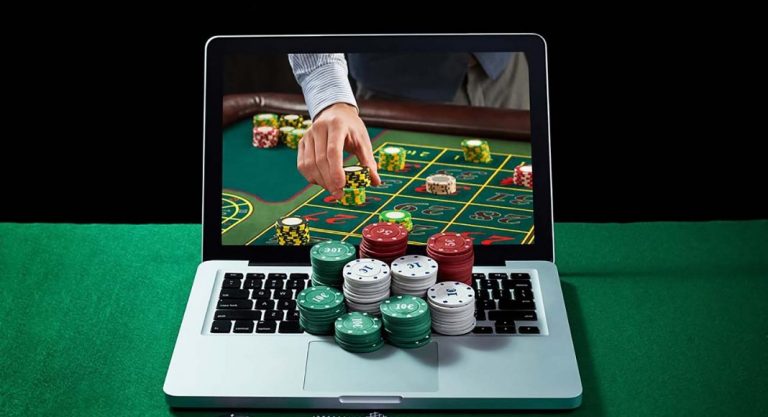
NordSlot Casino prioritizes responsible gaming, offering players a safe and enjoyable gambling experience. The platform provides various tools designed to promote responsible gambling, including self-assessment quizzes that help players evaluate their gambling habits. These assessments can guide users in understanding their risk levels and making informed decisions about their gameplay.
Additionally, NordSlot Casino implements features that allow players to set personal limits on deposits, losses, and gameplay time. These tools empower individuals to manage their gambling activities proactively, ensuring they stay within their desired limits. The casino also offers resources and links to external support organizations for players who may need assistance, reinforcing its commitment to responsible gaming practices.
With a vast selection of games and engaging bonuses, NordSlot Casino aims to create a balanced gaming environment. By emphasizing player security and well-being, the casino provides an extensive array of responsible gambling tools that cater to the diverse needs of online gamers. This commitment to responsible gaming not only enhances the player experience but also fosters a sustainable gambling community.
«`